
The pulp and paper industry relies on precision screening and filtration equipment at every stage of production — from the initial wood-chip screening and raw material preparation stage, through pulping, washing, and fibre separation, to final paper web formation. Even waste paper processing in OCC (Old Corrugated Cardboard) mills feeds back into the process as recycled fibre, making reliable screening equipment essential throughout.
Tegman supplies a comprehensive range of pulp and paper screening solutions — including wedge wire screen cylinders, drilled hole baskets, EDM drilled hole plates, screw press screen baskets, and paper machine mesh — engineered to keep your operation running efficiently at every stage of the process.
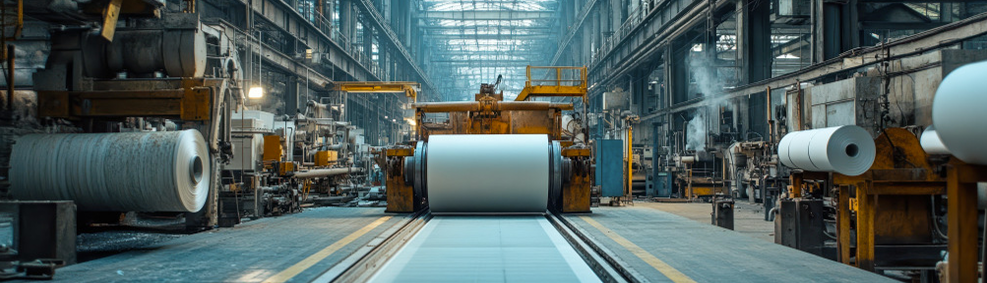
The Role of Screening in Pulp & Paper Production
Without reliable, accurately specified screening equipment, pulp and paper operations face a range of costly challenges:
• Inconsistent pulp quality leading to variable paper strength and surface finish
• Increased energy consumption due to inefficient dewatering and thickening
• Accelerated wear on downstream equipment caused by contaminants passing through the screen
• Higher chemical consumption in bleaching and refining due to poor upstream separation
• Increased maintenance downtime caused by screen blinding, pegging, or structural failure
Tegman’s pulp and paper screening solutions are engineered to address each of these challenges directly, delivering consistent, reliable performance across every stage of production.
Screen Baskets & Plates
Tegman’s screen baskets and plates are used across a wide range of pulp screening applications – from knotter screens and high-pressure screens through to drum washers, thickener drums, and tertiary screening stages. Each product is precision-engineered to perform reliably under the demanding conditions of modern pulp and paper processing.
Wedge Wire Slotted Screen Cylinders
The most widely used screening component in pulp processing. Their V-shaped profile wire construction creates precise, self-cleaning slot openings that significantly reduce the risk of blinding and pegging during operation. Available in both inflow and outflow configurations including coarse screening, fine screening, fibre separation, and headbox screening.
Key highlights:
- Minimum slot size of 0.1 mm for precise fine screening
- Slot tolerance of ±0.02 mm for consistent accuracy
- Over 40 wire profiles available
- Precision laser cutting welded by argon arc for high-strength joints
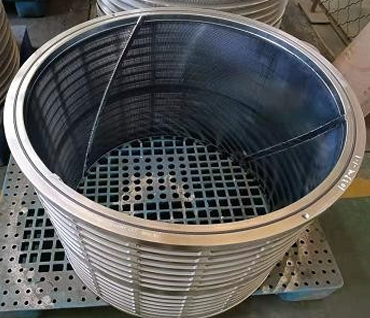
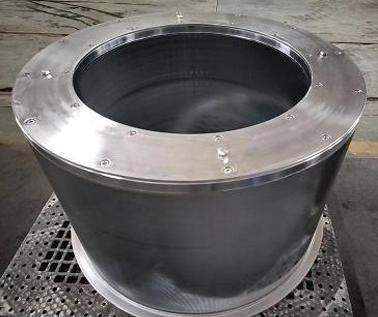
Digester Top Separator Screen Basket
A large-format wedge wire cylinder used in the kraft pulping process, where wood chips are cooked under pressure to separate cellulose fibres from lignin – the point at which wood-chip screening connects directly into pulp production.
Key highlights:
- Dimensions up to ID2 400 mm x 3 200 mm H
- Self-cleaning, anti-clogging design
- Used across chip feeding inline strainers and extraction liquor screening applications
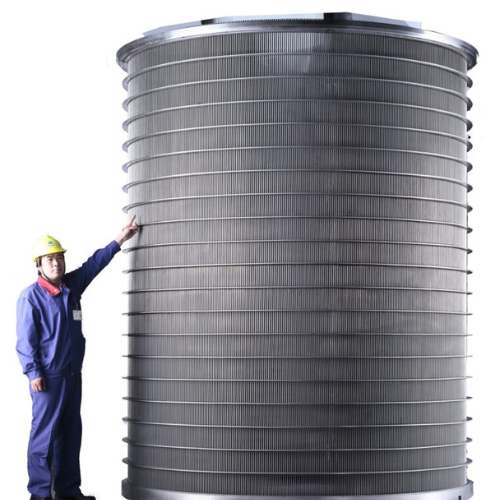
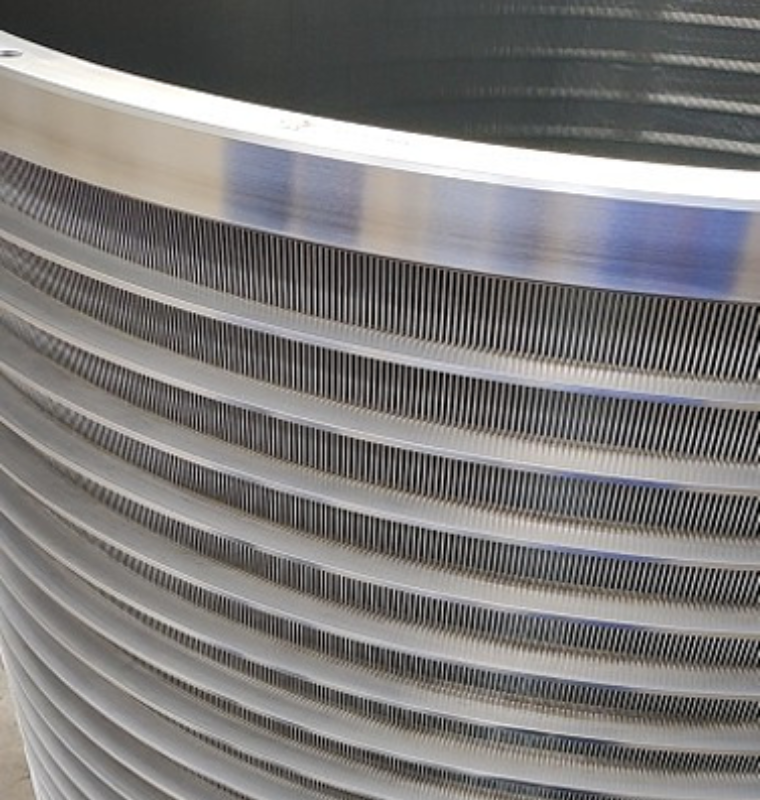
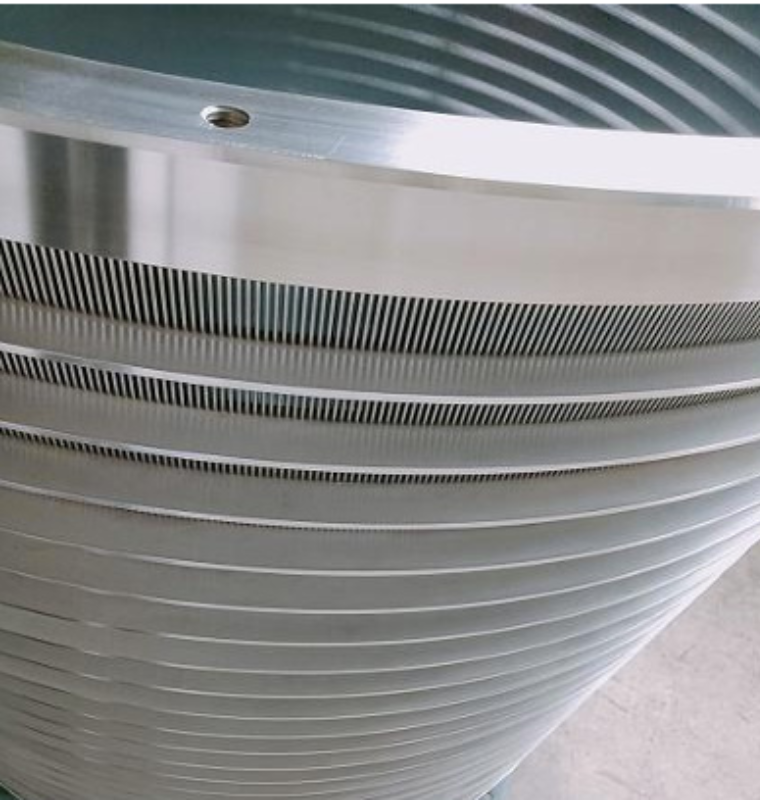
No-Welding Slotted Screen Cylinder
A mechanically locked cylinder that eliminates welding entirely. Ideal for applications requiring higher open area, high purity, and a smooth surface to resist blinding and pegging. Easier to refurbish and repair in the field, reducing long-term maintenance costs.

Drilled Hole Screen Cylinders
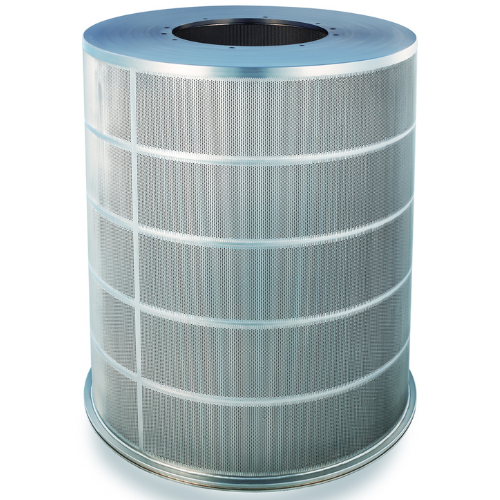
A versatile alternative where circular apertures are required rather than slots. Available in both inflow and outflow configurations, these cylinders are well suited to coarse screening and headbox screen basket applications in pulp processing. Their smooth or profiled surface options, combined with plate thickness choices of 5 mm, 6 mm, and 8 mm, make them adaptable across a range of equipment configurations and processing demands. Hole diameters start from 1.0 mm, allowing for accurate and consistent material separation throughout the screening process.
Drilled Hole Screen Plate
Circular drilled apertures for high-pressure screen and headbox applications requiring precise, consistent hole sizing.
Wedge Wire / Milled Slotted Plate
High open area with a self-cleaning slot geometry that keeps slot openings consistent and actively reduces the risk of blinding and pegging.
EDM Drilled Plate / Slotted Plate
Exceptional aperture precision using the Electrical Discharge Machining process — ideal for the most demanding fine screening applications.
Hole Types
- Straight — uniform flow distribution for general screening
- Conical Drill — lower resistance, higher open area, increased capacity
- Step Drilled — precise entry sizing with reduced exit flow resistance
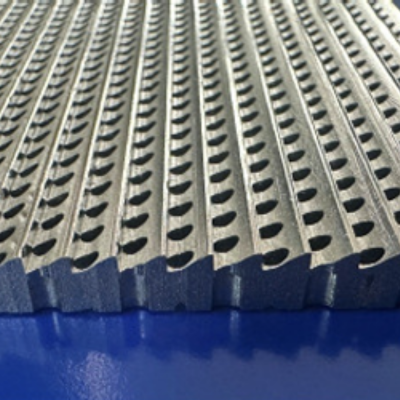
- Corrugated with Profile — resists fibre mat formation and blinding
EDM Drilled Hole Plates — Pulp Washer Plates
The most technically advanced screen plate in Tegman’s range, enabling small holes to be drilled precisely through thick plate sections. Available in 316L stainless steel or 254SMO.
Key highlights:
- Conical degree of 3–5° for reduced flow resistance
- Plate thickness range of 2–12 mm
- Electro-polishing finish for reduced fibre adhesion
Scorch Screen Plates — Pulper, Extraction & Strainer Plates
Heavy-duty plates designed for hydra pulper, extraction, and strainer plate applications. Heat treated to HRC 40–48 for exceptional wear resistance in high-impact pulper environments, with customised designs available for specific installation requirements. Available in a comprehensive range of stainless steel grades to suit different chemical environments, these plates are built to withstand the most demanding conditions in the pulp processing system. Their robust construction ensures a long service life, reducing the frequency of plate replacement and minimising maintenance downtime on your processing line.

Material Options
SS316 — Standard Material Higher chemical resistance – ideal where exposure to bleaching chemicals, acidic liquors, or chlorine compounds is a factor.
SS304 — For OCC Mills Higher strength and wear characteristics, well suited to OCC mill applications where waste paper is recycled back into the production process. Significantly reduces spare parts expenditure over time.
Most Common Combinations
- SS304
- SS316
- 316L wires with 304 rings
- 2205 Duplex — maximum corrosion resistance in highly aggressive environments
Mesh — Used in Pulp & Paper Machines
Woven wire mesh plays a critical role in both the forming and dewatering stages of paper production. Tegman supplies stainless steel mesh across a comprehensive range of mesh counts and wire diameters for use in Fourdrinier paper machines, cylinder machines, and other pulp and paper processing equipment.
Fourdrinier Paper Machine
The Fourdrinier machine is a continuous paper-making machine. In the forming section, a moving mesh belt — known as the Fourdrinier wire — allows water to drain from a slurry of pulp spread across its surface, forming a continuous paper web. This machine is used for the production of newsprint, high-quality writing paper, and packaging materials.

Cylinder Machine
The Cylinder Machine uses rotating cylinders rather than a flat forming wire to form the paper sheet. A rotating perforated cylinder covered with wire mesh dips into a vat of pulp, and a thin layer of fibres adheres to the cylinder surface as water drains through. It is used for newsprint, writing paper, and packaging materials, and is particularly well suited to multi-ply board production.

Mesh Specifications
All mesh is manufactured from 304 or 316 stainless steel and is available in widths from 1 m to 10 m:
- Mesh 10 — Wire diameter 0.4–1.2 mm
- Mesh 12 — Wire diameter 0.4–1.0 mm
- Mesh 14 — Wire diameter 0.4–0.8 mm
- Mesh 30 — Wire diameter 0.25–0.4 mm
- Mesh 40 — Wire diameter 0.2–0.3 mm
- Mesh 50 — Wire diameter 0.18–0.25 mm
- Mesh 60 — Wire diameter 0.15 mm
- Mesh 70 — Wire diameter 0.14 mm
- Mesh 80 — Wire diameter 0.12 mm
- Mesh 100 — Wire diameter 0.1 mm
- Mesh 150 — Wire diameter 0.06 mm
- Mesh 200 — Wire diameter 0.05 mm
- Mesh 325 — Wire diameter 0.035 mm
Why Choose Tegman?
Tegman is a specialist screening, filtration, and separation media supplier with branches and factories across South Africa. Our pulp and paper product range is manufactured to tight dimensional and slot tolerances, ensuring consistent performance from installation through to end of service life.
Want the full technical details?
Download our Pulp & Paper product brochure for complete specifications, parameters, and product information.