
In any material processing operation, the efficiency of your screening media dictates the productivity of your entire plant. Plant managers are constantly seeking ways to maximise throughput while minimising the downtime associated with maintenance and screen failures.
One of the most persistent challenges in the industry is finding a screening solution that balances high open area with exceptional durability. Traditional solutions often force a compromise: you either get good throughput but short wear life, or long wear life with poor efficiency.
Tegman has bridged this gap with the EaziFlow Screen, commonly known in the industry as the Flex-Mat. These self-cleaning screens are engineered to deliver high screening efficiency, superior wear resistance, and a significant reduction in common operational headaches like pegging and blinding.
This guide explores the engineering behind EaziFlow Screens, explaining why their unique polyurethane construction offers a distinct advantage over traditional wire options and how they can transform your screening application
What Are EaziFlow Screens (Flex-Mats)?
EaziFlow Screens are Tegman’s premier self-cleaning screening solution. They are designed to replace traditional woven wire screens in applications where efficiency and active screening action are paramount.
The defining feature of an EaziFlow screen is its construction. unlike traditional wire harp screens, which rely on thin wire to bind the screen cloth together, EaziFlow Screens utilise Polyurethane (PU) binding wear bands.
This shift from wire to polyurethane is not merely a cosmetic change; it is a fundamental upgrade in structural integrity. In a traditional harp screen, the thin binding wires are the weak link. Once these wires wear through—which often happens prematurely due to the abrasive nature of screening—the entire screen falls apart, forcing an immediate and costly replacement.
By contrast, the polyurethane wear bands used in EaziFlow Screens are far more abrasive-resistant and significantly stronger than wire. This robust construction allows the screen to maintain its integrity for much longer, even in harsh screening applications, providing a reliable solution that stays in production rather than in the scrap pile.
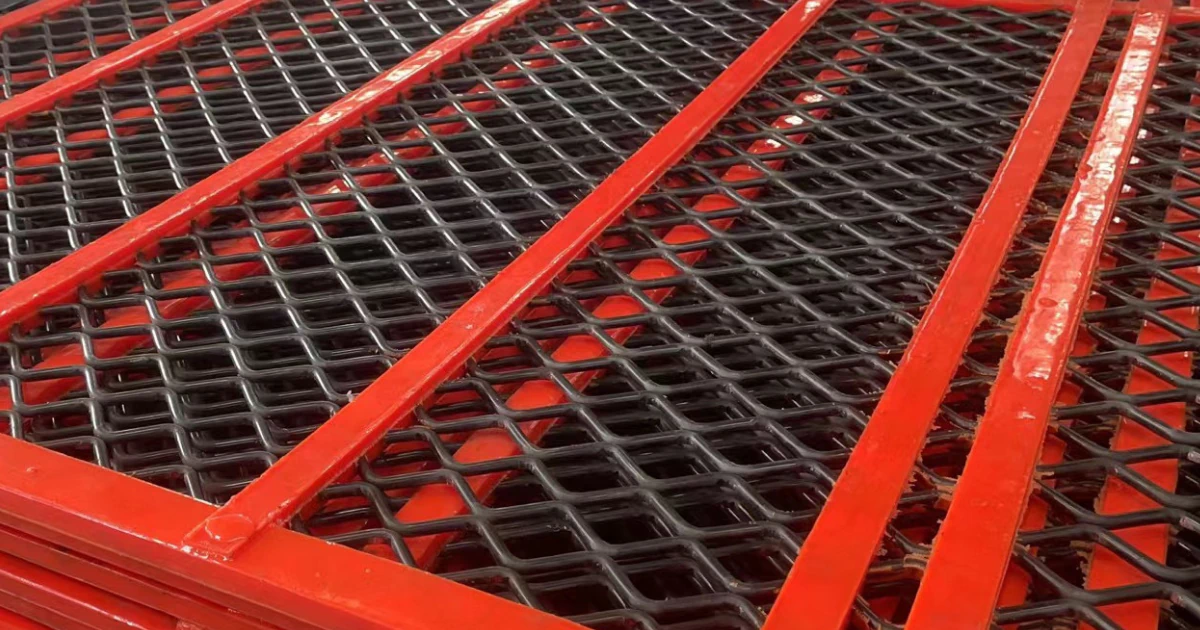
Square Harp Weave
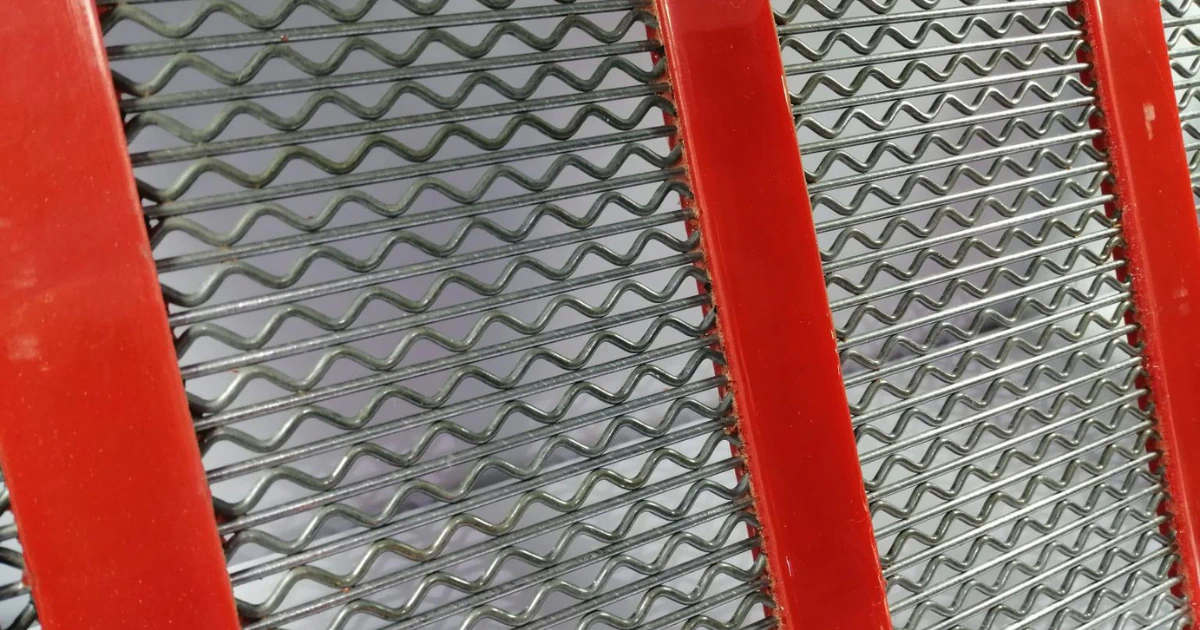
Tri Harp Weave
The 4 Key Advantages of EaziFlow Technology
Switching to EaziFlow Screens offers operational benefits that go beyond simple durability. According to Tegman’s product data, there are four primary advantages to installing these mats:
1. Large Open Area: The unique design of EaziFlow screens maximises the available open area on your deck. A larger open area means more product can pass through the apertures per hour, directly increasing your plant’s throughput and overall productivity.
2. Reduced Pegging and Blinding: Pegging (stones getting stuck in the holes) and blinding (fines crusting over the mesh) are the enemies of efficiency. EaziFlow Screens are “self-cleaning” by design. The independent vibration of the wires creates a lively screen action that prevents material from lodging in the apertures, keeping the screen open and efficient.
3. High Wear and Abrasion Resistance: As noted, the polyurethane binding bands are inherently tougher than steel wire in abrasive environments. This resistance extends the intervals between screen changes, reducing maintenance costs and downtime.
4. Good Performance with Wet Screening: Screening wet, sticky material is notoriously difficult. EaziFlow screens excel in these conditions, maintaining high screening efficiency where other media might clog or blind.
Engineered for Performance
The superior performance of an EaziFlow screen is not accidental; it is the result of precise engineering and extensive testing by Tegman.
A key factor in the system’s success is the exact positioning of the polyurethane wear bands relative to the machine’s camber bars. Proper placement is critical for two reasons: it improves screening efficiency and it significantly extends the lifespan of the screen.
The “25mm / 15mm” Configuration Through research, Tegman has identified the most effective setup for these screens. This configuration involves using two different widths of polyurethane bands, positioned strategically:
- Camber Bar Bands (25mm): The main wear bands, which sit directly above the camber bars (the support bars of the deck), are cast at 25mm wide. This provides maximum protection where the screen contacts the machine frame.
- Intermediate Bands (15mm): The bands positioned between the camber bars are thinner, at just 15mm wide.
Why does this matter? This specific combination is calculated based on the “aperture-to-wire ratio”. By using thinner 15mm bands in the intermediate zones, Tegman increases the open area of the screen while ensuring the wires remain active and lively. This delivers the best possible combination of durability (from the 25mm bands) and efficiency (from the 15mm bands).
Solving Premature Wear: The Reinforced Hook Edge
Even the best screens have vulnerable points. Tegman has identified that a common point of premature wear on this type of media occurs near the hook edge, adjacent to the metal frame.
In a standard design, the constant vibration and material flow against the side of the screen deck can cause the media to fail at the edges before the main screening surface is worn out. To address this, Tegman has introduced a reinforced design feature.
EaziFlow screens now feature reinforced PU bands cast along the hook edges. This reinforcement, coupled with the metal edge hook, enhances durability in this critical stress zone, reducing early failures and ensuring you get the full life out of the screen panel.
Choosing the Right Weave for Your Application
Flexibility is a core component of the Tegman offering. EaziFlow Screens are available in two main weave types, allowing you to select the configuration that best suits your specific aperture requirements.
Square Harp Weave: The Square Harp Weave is the standard configuration for many applications. It is available for aperture sizes of 2mm and above. This weave provides a precise square opening for accurate sizing while maintaining the self-cleaning benefits of the harp wire construction.
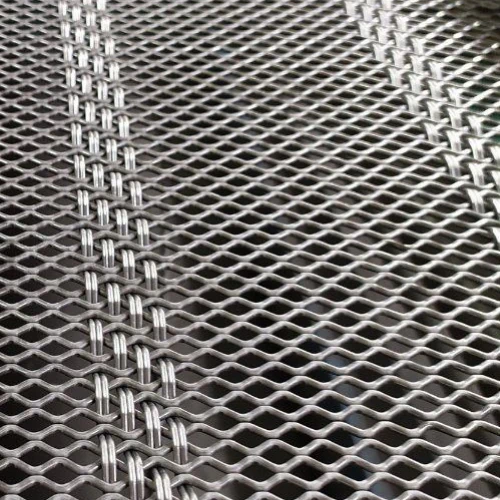
Tri Harp Weave: For finer screening applications, the ideal choice. This weave type is available for apertures starting from as small as 1.1mm and above. The Tri Harp design maintains stability in these finer wires, preventing them from displacing while ensuring high throughput for fine materials.

Both weave types utilise High Carbon Harp Wire for strength and are finished with a 25mm Polyurethane Discharge Lip to protect the end of the screen.
Maximise Your Screening Performance
If your operation is battling with the short lifespan of traditional wire screens or the inefficiency of pegging and blinding, it is time to upgrade to EaziFlow Screens.
By replacing weak wire bindings with robust polyurethane wear bands and utilizing a scientifically optimised layout of 25mm and 15mm bands, Tegman has created a solution that lasts longer and works harder. Whether you are dry screening abrasive rock or processing wet, sticky fines, Flex-Mats offer the durability and high open area you need to hit your production targets.