
Precision in Agricultural Processing
In the agricultural and food processing sectors, maintaining material purity is a strict operational requirement. Wooden Separation Screens are essential components used to clean, grade, and separate a wide variety of seeds, grains, and pulses.
For plant managers and milling operators, selecting the correct screening equipment ensures that impurities are removed efficiently before further processing. These screens serve a vital function by separating unwanted particles, such as dust and stones, from the primary product.
Tegman supplies complete Wooden Separation Screens designed for direct integration into industrial processing lines. Whether the application involves a commercial grain mill or a coffee processing plant, understanding the mechanical function and construction of these screens is necessary for optimising separation processes.
What Are Wooden Separation Screens?
Wooden Separation Screens are specialised industrial components utilised extensively in Multi-Tiered Machine Assemblies (MTMAs), De-Stoners, and Seed Screens. Their primary function is to accurately clean, grade, and separate bulk agricultural materials, including seeds, grains, and pulses, before they enter the final stages of food processing.
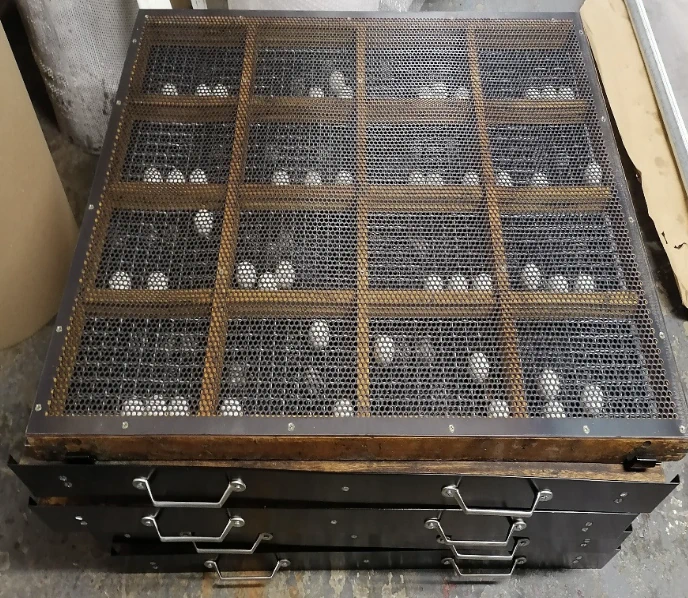
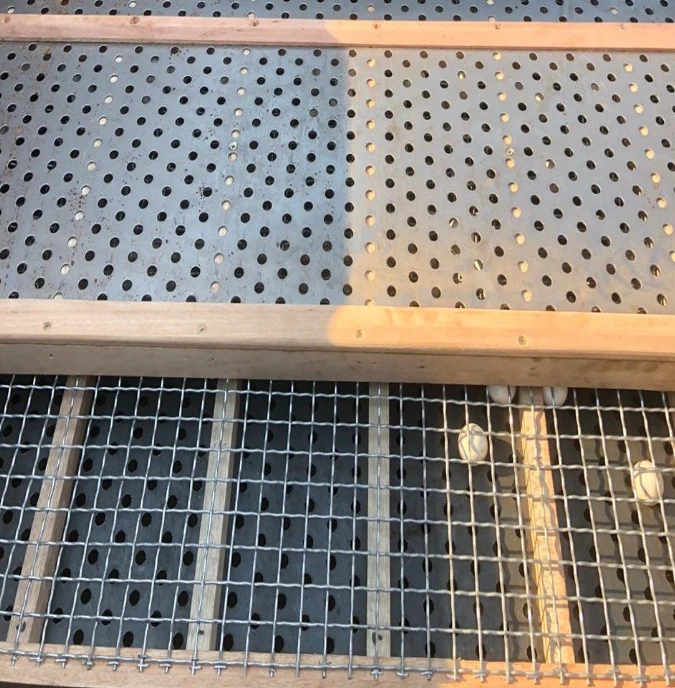
To achieve reliable sorting, these screens rely on a multi-layered construction. Tegman supplies these units as complete assemblies, which include the outer wooden frame, a supportive backing mesh, the primary perforated plate, food-grade balls, and felt.
Because continuous industrial use leads to natural wear, facility managers require flexible supply solutions. Tegman provides the option to purchase either the complete screen frame or the individual replacement components. Procuring specific parts, such as the backing mesh, the wooden frame itself, or new food-grade balls, allows for cost-effective maintenance and the rapid customisation of your existing equipment.
Core Machinery Applications
Wooden Separation Screens are engineered to operate within several specific types of industrial cleaning and grading equipment. Understanding how these screens function within different machine assemblies is necessary for optimising plant efficiency.
Multi-Tiered Machine Assemblies (MTMAs)
Multi-Tiered Machine Assemblies are complex systems designed for comprehensive seed and grain cleaning. These machines utilise multiple screening layers to handle a variety of materials, separating them simultaneously based on physical characteristics such as size, weight, and density. The primary purpose of an MTMA is to systematically remove specific impurities, including dust, stones, and other unwanted particles, from the bulk product flow. By passing the raw agricultural material through successive wooden separation screens, the machine ensures that only the product meeting the exact dimensional parameters continues down the processing line.
De-Stoners
De-Stoners operate on a different mechanical principle. These machines are designed specifically to separate stones and other heavy impurities from lighter seeds or grains. Instead of relying strictly on physical size, De-Stoners utilise density differences to achieve separation. During operation, the wooden screen assembly is subjected to vibration and a controlled upward airflow. This combination causes the heavier stones to sink against the mesh, while the lighter seeds are lifted and suspended by the air current. This fluidised effect allows the heavier impurities to be directed to a separate discharge point. De-Stoners equipped with these screens are used widely in facilities such as rice mills, coffee processing plants, and various pulse industries.
Seed Screens
Seed Screens form the critical sizing component within many industrial vibrating machines, sieves, and graders . These units utilise perforated plates or wire meshes mounted within the wooden frames to classify seeds strictly by physical size . As the bulk material passes over the vibrating screen, particles smaller than the chosen aperture fall through, while larger product is retained and carried forward. To accommodate the vast differences in agricultural products, these screens come in various sizes and mesh openings. Facility operators select specific aperture dimensions to handle different commodities, including wheat, millet, rice, and pulses.
Both ranges are available directly from stock to ensure minimal downtime for your processing facility
The Anatomy of a Screen Frame
A complete screen frame is a composite assembly designed to ensure continuous and efficient material separation. Each component within the Wooden Separation Screen plays a specific mechanical role in the grading process.
Wooden Frame
The foundation of the assembly is the Wooden Frame itself. This material is selected specifically to provide lightweight yet sturdy structural support for the internal layers. The use of wood reduces the overall weight of the vibrating machinery while maintaining the rigidity required to withstand continuous industrial use.
Backing Mesh
Positioned beneath the primary screening layer, the backing mesh provides necessary structural strength. It supports the finer, more delicate sorting layers above it, preventing them from sagging or tearing under the weight of bulk agricultural materials.
Perforated Plate
The perforated plate acts as the actual sorting layer within the assembly. Depending on the specific grading requirement, this layer features precise apertures that allow smaller particles to pass through while retaining larger materials. It is the critical component for classifying seeds by size.
Felt
Felt is applied to the frame assembly to serve two distinct functions. It is used to create a tight seal for airflow control within machines like De-Stoners, and it also assists with noise reduction during continuous vibrating operations.
Primary Industry Applications
Wooden Separation Screens are critical for maintaining product quality across a wide range of processing sectors. Because they can be customised to handle specific particle sizes and densities, these screens are deployed extensively in facilities that process bulk agricultural commodities.
Tegman supplies these components to several key industries:
-
Grain Mills: These screens are used extensively for cleaning and grading staple crops before the milling process begins.
-
Seed Processing Units: They are essential for sorting agricultural seeds by exact physical dimensions to ensure uniform product batches.
-
Pulses and Lentil Grading: Facilities employ these screens to remove stones, dust, and defective materials from bulk pulse shipments.
-
Spice Cleaning: The screens are required to separate fine impurities and foreign particles from raw spices before grinding
-
Coffee and Tea Processing: These components are utilised in De-Stoners to remove heavy debris from coffee beans, as well as for sorting tea products by grade.
-
Agricultural Equipment Manufacturers: The screens are integrated directly into newly built grading machines, vibrating sieves, and MTMA units as standard components.
-
Oil Refineries: They are used in the initial preparation stages to clean oil-bearing seeds before the oil extraction process begins
Both ranges are available directly from stock to ensure minimal downtime for your processing facility
Supply and Maintenance Options
Industrial processing facilities require reliable access to replacement parts to minimise operational downtime. Tegman provides flexible purchasing options to support these requirements. Plant managers have the option to purchase a complete screen frame ready for immediate installation. Alternatively, Tegman supplies individual replacement components, such as the backing mesh, the wooden frame itself, or new food-grade balls.
This modular approach allows for easy maintenance and the rapid customisation of your existing screening equipment. By replacing only the worn components rather than the entire unit, facilities can maintain peak grading efficiency while managing operational costs effectively.